
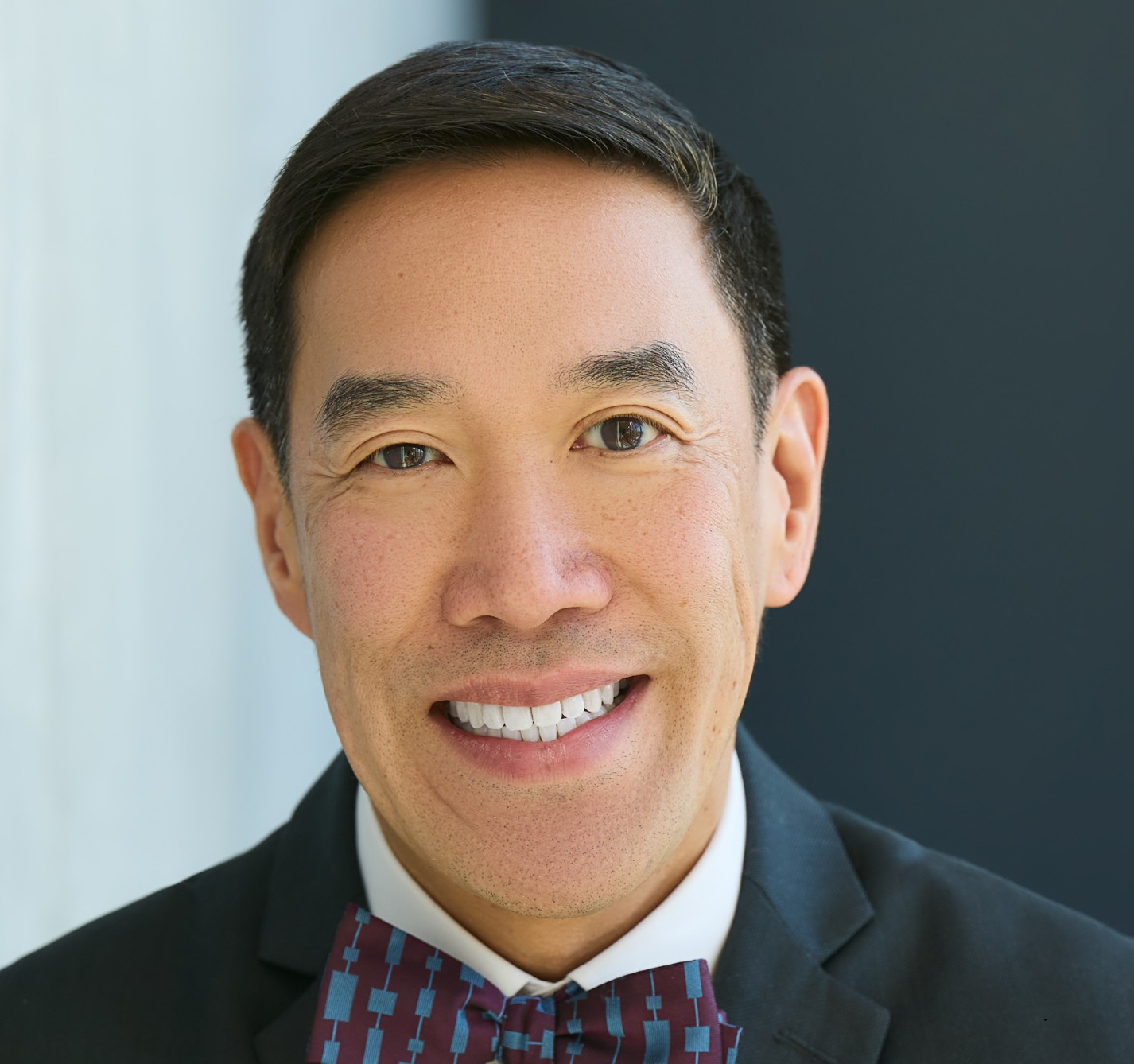
Brian Chow, MD and National Team Identify Support Gaps for International Medical Graduates
Study highlights the need for stronger visa guidance, mentoring, and career support for infectious diseases physicians.
A national study led by Brian Chow, MD, Director of the Beall Positive Care Clinic at Harbor-UCLA Medical Center, identifies significant gaps in visa guidance, career counseling, and institutional support for international medical graduates pursuing careers in infectious diseases. Published in Open Forum Infectious Diseases, the needs assessment found that immigration requirements can strongly shape physicians’ practice settings, locations, and post-fellowship options.
About the Study
An Infectious Diseases Society of America workforce group surveyed current infectious diseases fellows and physicians who had completed fellowship within the previous three years to assess visa-related career challenges and support needs. Thirty-four program directors shared the survey with 101 physicians, and 56 respondents met the study criteria.
Key Findings
- Only 43% of respondents reported access to individualized counseling or advice about visas through their fellowship institution.
- Nearly one-quarter said their institution had little or no understanding of visa-related onboarding, while 48% rated institutional understanding as good or excellent.
- Visa status greatly influenced respondents’ decisions about geographic location (76.9%), academic versus nonacademic practice (64.1%), and infectious diseases versus another field (40%).
- Among recent graduates, 74% sought visa advice when applying for their first post-fellowship position, but about one-third said program leadership did not help them navigate visa and career options.
- Respondents identified needs including clearer education on visa restrictions and J-1 waiver positions, access to attorneys and mentors, job-search support, contract and compensation guidance, and help transitioning into independent practice.
Why It Matters
International medical graduates represent 39% of current U.S. infectious diseases fellows and are especially important to care in rural and underserved communities. Many must navigate J-1, H-1B, and other immigration pathways while making high-stakes career decisions. The findings suggest that accurate, individualized guidance can improve understanding of and satisfaction with career options: respondents reported better experiences when institutions offered visa counseling and understood visa-related onboarding. The authors call on professional societies, training institutions, and academic partners to provide practical toolkits, mentor networks, job-search assistance, and current guidance for fellows and program leaders. They also note that streamlined licensure and board-certification pathways could strengthen recruitment and retention in communities with limited access to infectious diseases specialists.
Brian Chow Leads Multicenter Research Effort
As first and corresponding author, Dr. Chow helped develop the survey, interpret the results, and prepare the manuscript with collaborators from infectious diseases programs across the United States. The Infectious Diseases Society of America Board of Directors approved dissemination through IDSA community platforms, and The Lundquist Institute Institutional Review Board determined that the anonymous, voluntary survey was exempt from review.
Publication details: Bridging the Gap: A Needs Assessment of Resources and Support for International Medical Graduates Navigating Visa-related Career Decisions in Infectious Diseases was published online March 25, 2026, in Open Forum Infectious Diseases. DOI: 10.1093/ofid/ofag183.
